
Wisdom Teeth Removal Aurora, ON, Aurora Sunrise Family Dental

Wisdom teeth removal is a common oral surgery procedure in Aurora, Ontario. At Aurora Sunrise Family Dental, Dr. Dominic S.Y. Lau provides wisdom teeth extraction for patients throughout York Region, including Aurora, Newmarket, and Richmond Hill.
Wisdom teeth, also called third molars, usually emerge between the ages of 17 and 25. When there isn’t enough space for them to come in properly, they can become impacted and cause pain, infection, crowding, or damage to nearby teeth. Removing these teeth helps protect your oral health and prevent future problems.
Our team focuses on comfort, clear communication, and safe surgical care. Whether you are dealing with wisdom tooth pain or considering preventive removal, our Aurora dental team provides gentle, professional care for your family.

What Are Wisdom Teeth?
Wisdom teeth are the third and final set of molars that usually appear at the back of the mouth between the ages of 17 and 25. Most people develop four wisdom teeth — two on the top and two on the bottom.
They are called “wisdom teeth” because they emerge later than other adult teeth. While they once helped our ancestors chew tough foods, modern jaws are often too small to accommodate them properly.
When there isn’t enough room for wisdom teeth to come in normally, they can become impacted. This means they are trapped under the gums, only partially erupt, or grow at an angle. Impacted wisdom teeth can lead to pain, infection, and other oral health problems, which often makes removal necessary.

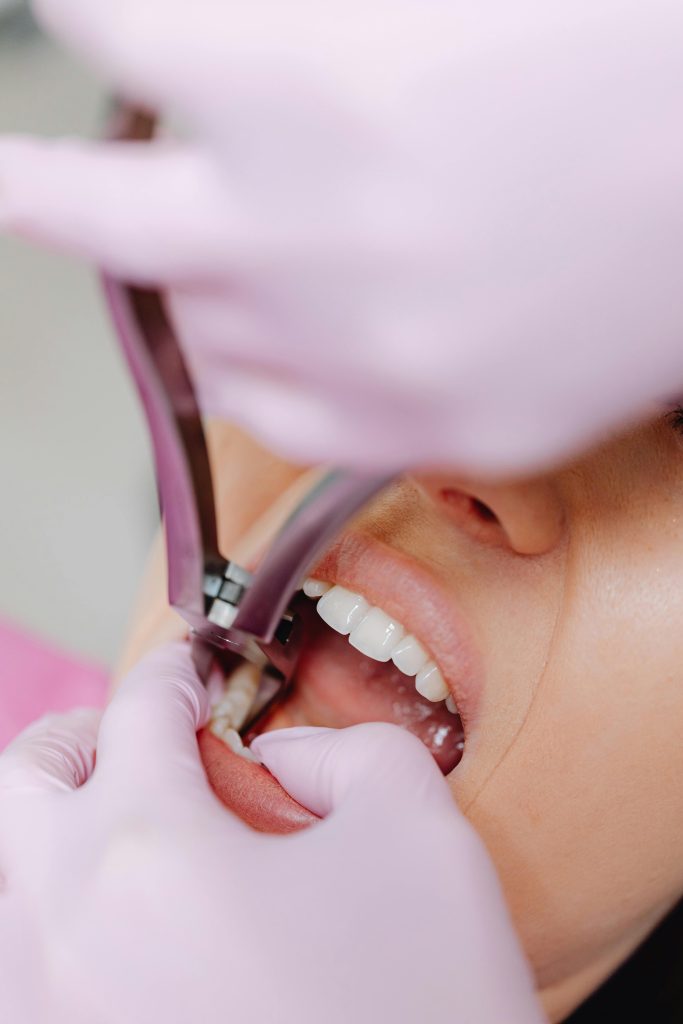
Reasons to Consider Tooth Extraction
Impacted wisdom teeth occur when there isn’t enough space for them to erupt properly, causing them to become trapped under the gums or bone. They may grow sideways, tilt toward neighbouring teeth, or remain fully embedded in the jaw, making them difficult to clean and increasing the risk of infection, decay, and damage to nearby teeth. Partially erupted wisdom teeth can trap food and bacteria, leading to infections such as pericoronitis, which may cause pain, swelling, bad breath, difficulty opening the mouth, and sometimes fever. In some cases, abscesses can form and require prompt treatment.
Impacted wisdom teeth can also create pressure against existing teeth, contributing to crowding and shifting that may undo the results of braces or Invisalign. Their hard-to-reach position makes proper cleaning difficult, increasing the risk of cavities and gum disease, particularly for partially erupted teeth. In rare cases, impacted wisdom teeth can form cysts in the jawbone, which may damage surrounding teeth, bone, or nerves if left untreated.

Wisdom Teeth Removal Process
Your wisdom tooth extraction begins with a comprehensive consultation and assessment. Dr. Lau reviews your symptoms, dental history, and evaluates the position of your wisdom teeth. This visit also provides time to discuss the procedure, sedation options, and expected recovery. Digital X-rays and panoramic imaging are used to assess the teeth and surrounding structures, and in complex cases, CBCT imaging may be employed to create detailed 3D views. These images allow Dr. Lau to plan a safe, personalized approach for your extraction.
Comfort is a priority, and a range of anesthesia and sedation options are available. Local anesthesia numbs the area while you remain awake, nitrous oxide helps you relax during the procedure, and oral or IV conscious sedation provides deeper relaxation. General anesthesia may be used in complex cases or for patients with severe anxiety, supported by a specialist.
During the extraction, Dr. Lau makes a small incision if needed, removes bone to access impacted teeth, divides the tooth into sections if necessary, and gently removes it. The site is then cleaned and closed with dissolvable stitches, with the procedure typically taking 30 to 60 minutes. Before leaving, you will receive clear aftercare instructions, medications if needed, and gauze to manage bleeding. Guidance on caring for the extraction site during the first 24 to 48 hours is provided to support proper healing.
Recovery & Aftercare
Recovery after wisdom teeth removal happens in stages, with gum tissue typically healing within 1 to 2 weeks and deeper bone taking 3 to 4 weeks. Most patients return to normal activities within 3 to 7 days, depending on age, overall health, and how closely aftercare instructions are followed. Some swelling, discomfort, and minor bleeding are normal, and can be managed with ice packs, pain medication, gentle gauze pressure, and keeping your head elevated.
Diet plays an important role in healing. During the first 24–48 hours, cold, soft foods like yogurt, smoothies, and applesauce are recommended, gradually transitioning to soft foods such as mashed potatoes, pasta, or soup. Hard, crunchy, sticky, or chewy foods, straws, alcohol, and tobacco should be avoided.


Gentle oral hygiene is essential: avoid brushing or rinsing forcefully for the first day, then resume careful brushing and saltwater rinses while protecting the extraction sites.
A follow-up visit is usually scheduled about a week after surgery to monitor healing and remove any non-dissolvable stitches if needed. Contact your dental office immediately if you experience severe pain, heavy bleeding, fever, increased swelling, difficulty breathing or swallowing, persistent numbness, pus, or signs of dry socket. The team is available to support you throughout your recovery.
Dental FAQs
Does wisdom teeth removal hurt?
The extraction procedure itself is not painful because you’ll receive local anesthesia that completely numbs the treatment area, along with sedation options if desired to keep you relaxed and comfortable. During the procedure, you may feel pressure and movement, but you should not experience pain.
After the anesthesia wears off, some discomfort is normal and expected. Most patients describe post-operative pain as moderate and manageable with prescribed or over-the-counter pain medications. Discomfort typically peaks within the first 24-48 hours and gradually diminishes over the following week. Following post-operative instructions carefully—especially regarding rest, ice application, and medication timing—significantly reduces pain levels and promotes comfortable healing.
How long does recovery take?
Initial recovery from wisdom teeth removal typically takes 3-7 days, during which most patients can return to work, school, and normal daily activities. Swelling and discomfort peak around day 2-3 and then steadily improve.
Complete healing of the gum tissue takes approximately 1-2 weeks, while the underlying bone and deeper tissues continue healing for 3-4 weeks. Your age, overall health, the complexity of your extractions, and how well you follow aftercare instructions all influence your personal recovery timeline.
Most patients can resume light activities within 2-3 days, though you should avoid strenuous exercise, heavy lifting, and vigorous physical activity for at least one week to prevent bleeding and swelling.
When should wisdom teeth be removed?
The timing for wisdom teeth removal depends on individual circumstances. Immediate extraction may be necessary for active pain or infection, damage to nearby teeth, untreated decay, cysts, or gum disease. Preventive removal is often recommended for impacted teeth, insufficient jaw space, or before orthodontic treatment, ideally in the late teens or early twenties for faster healing and fewer complications. Fully erupted, healthy teeth that can be cleaned effectively may simply be monitored.
While complications are rare, minor issues like dry socket, temporary numbness, or minor infection can occur in 10–15% of cases. Serious complications — permanent nerve damage, damage to nearby teeth, sinus issues, or jaw fracture — are extremely rare. Choosing an experienced oral surgeon and following pre- and post-operative instructions helps minimize risks and ensures a safe, well-planned procedure.
What if wisdom teeth are unerupted?
Unerupted wisdom teeth — those that remain completely hidden beneath the gum tissue and bone — still require monitoring and often need removal, even without visible symptoms. X-rays and panoramic radiographs allow us to track the position and development of unerupted wisdom teeth over time.
Many unerupted wisdom teeth are impacted — growing at improper angles that will prevent them from ever erupting correctly. These impacted teeth can:
- Damage the roots of adjacent molars
- Develop cysts or tumors in the jawbone
- Cause infection in surrounding tissues
- Create crowding as they push against other teeth
Dentists often recommend removing unerupted impacted wisdom teeth preventively, especially during your late teens or early twenties when the tooth roots are not fully developed and the surrounding bone is less dense — making extraction easier and recovery faster.
However, if unerupted wisdom teeth are positioned correctly with adequate space and show no signs of pathology, we may recommend periodic monitoring with dental X-rays rather than immediate extraction. Each patient receives an individualized treatment plan based on their specific anatomy and oral health needs.
If you’re experiencing wisdom tooth pain, or if you’d like to discuss preventive extraction before problems develop, schedule a consultation with Dr. Dominic S.Y. Lau at Aurora Sunrise Family Dental. Our experienced team provides safe, comfortable wisdom teeth removal for patients throughout Aurora, Newmarket, Richmond Hill, and York Region.